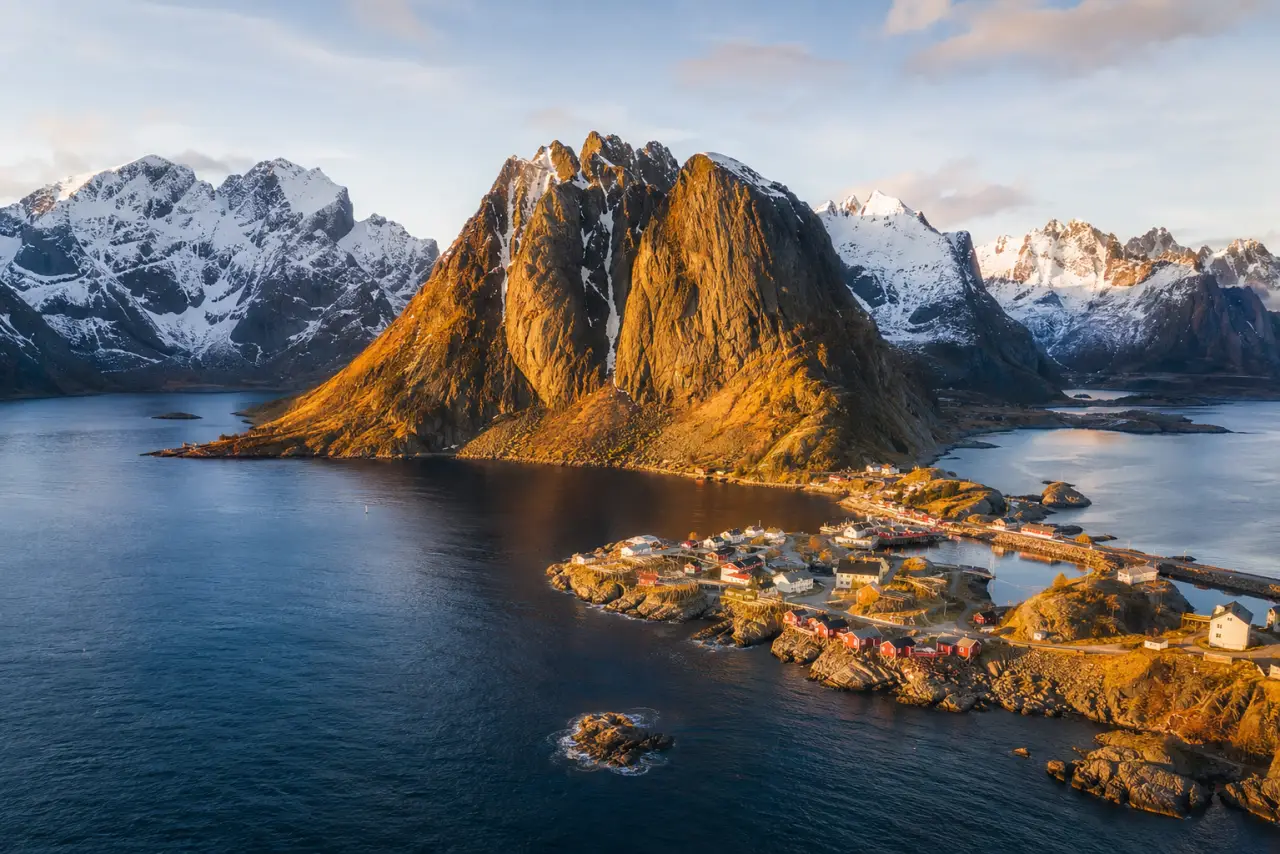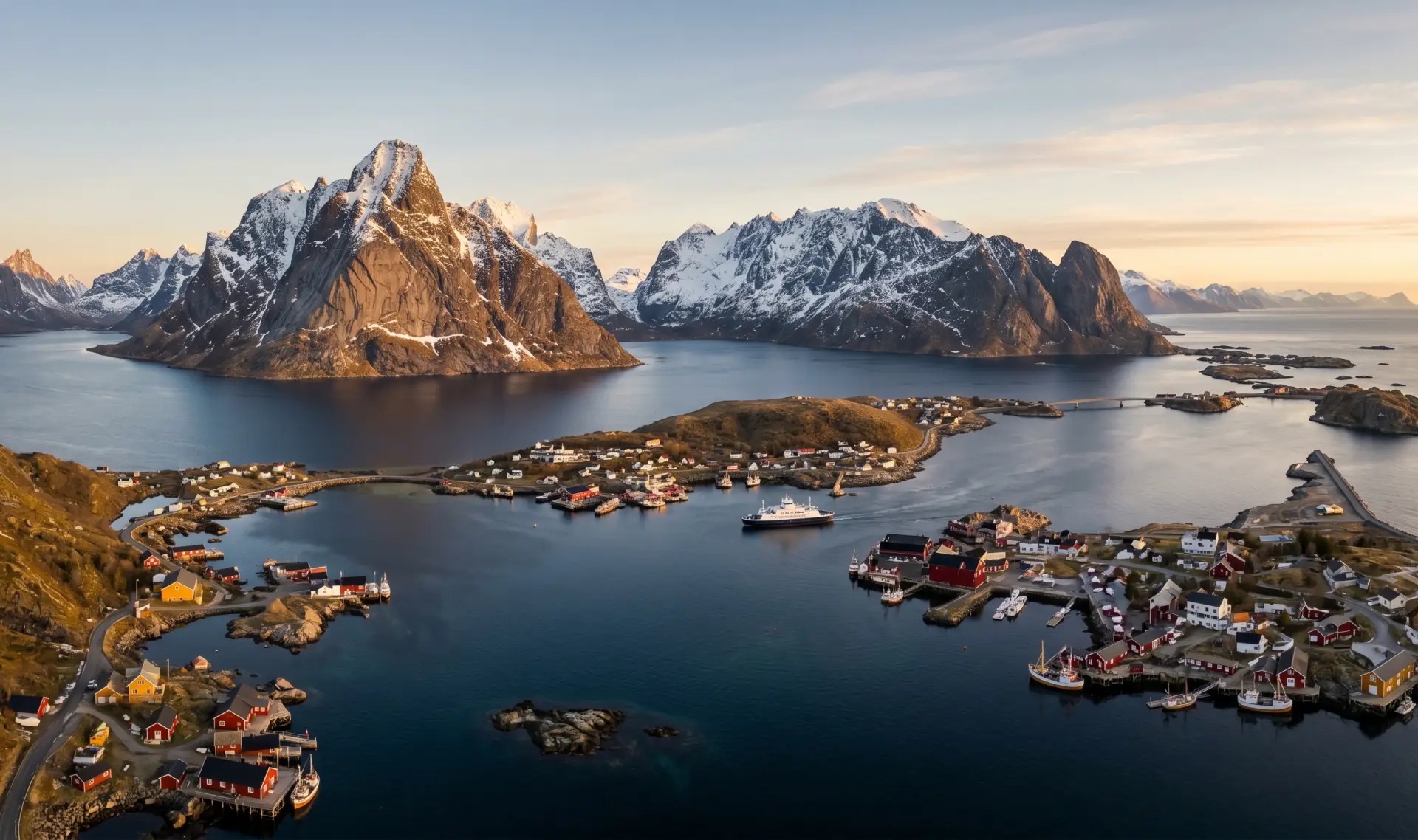
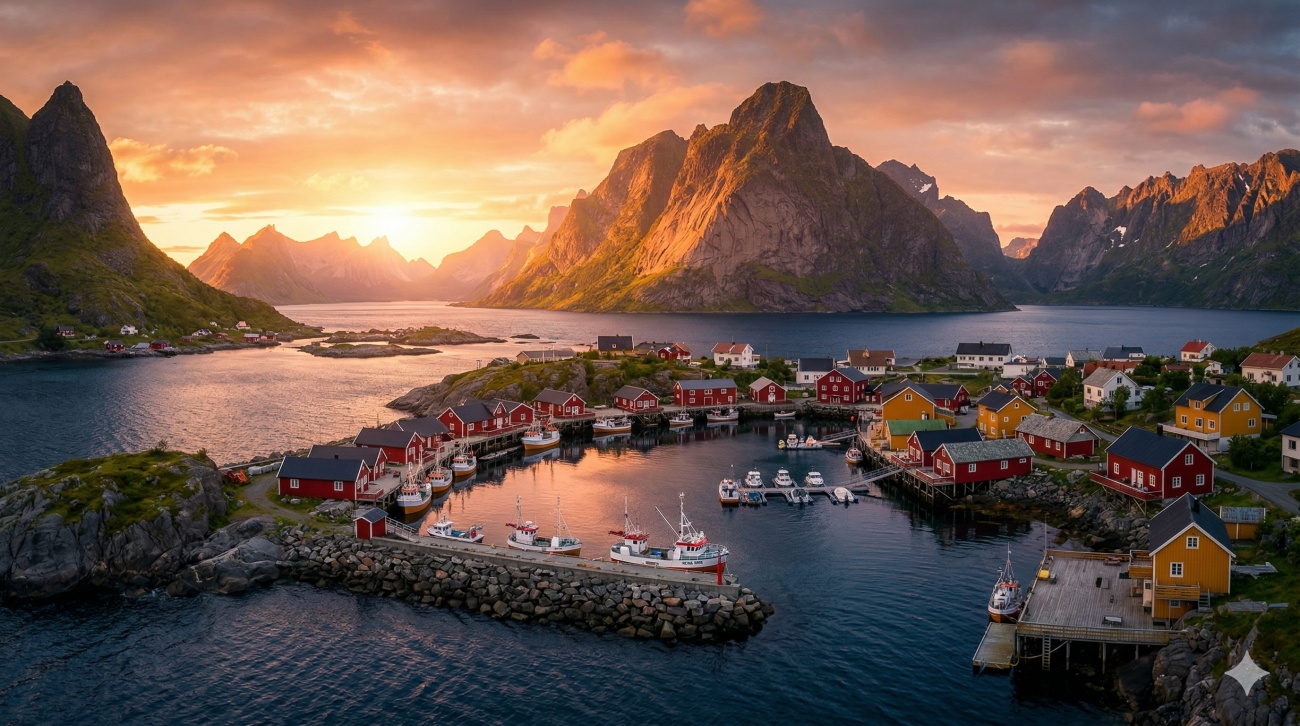
Lofoten is one of those places that feels unreal—dramatic mountains rising from the sea, colorful fishing villages, and skies that change completely depending on the season.
But here’s the truth: the best time to visit Lofoten depends entirely on what you want to experience.
Some travelers come for the endless summer light. Others chase the Northern Lights in winter. And many don’t realize that the “perfect time” isn’t the same for everyone.
In this guide, you’ll discover exactly when to visit Lofoten—and why timing can transform your entire trip.
-
When Is the Best Time to Visit Lofoten Right Now?
Right now, the most popular time to visit Lofoten is:
- July and August for outdoor adventures and midnight sun
- February and March for Northern Lights and winter scenery
- September for fewer crowds and dramatic landscapes
These months offer the best balance between weather, activities, and experience.
Overview of Lofoten Seasons
Lofoten’s location above the Arctic Circle creates extreme seasonal contrasts.
Key seasonal differences:
- Summer: 24-hour daylight (Midnight Sun)
- Winter: Polar nights and Northern Lights
- Spring/Autumn: Transitional light and fewer tourists
Each season offers a completely different way to experience the islands.
Visiting Lofoten in Summer
Summer is the most popular time to visit—and for good reason.
🌞 Why visit in summer?
- Midnight sun (no darkness at night)
- Ideal weather for outdoor activities
- Accessible hiking trails
- Vibrant landscapes and coastal views
Top summer activities:
- hiking iconic peaks
- kayaking in fjords
- exploring fishing villages
- photography under golden light
⚠️ Considerations:
- higher prices
- more tourists
- need to book accommodation early
👉 Summer is perfect if you want maximum freedom and long days.
Visiting Lofoten in Winter
Winter transforms Lofoten into a dramatic Arctic destination.
❄️ Why visit in winter?
- Northern Lights visibility
- snow-covered mountains
- fewer tourists
- unique Arctic atmosphere
Top winter activities:
- Northern Lights hunting
- winter photography
- fishing experiences
- cozy cabin stays
⚠️ Considerations:
- limited daylight
- colder temperatures
- weather can be unpredictable
👉 Winter is ideal for travelers seeking a more immersive and magical experience.
Best Time to Visit Lofoten by Activity
Different activities are best at different times of the year.
🥾 Hiking
Best time: June to September
- trails are snow-free
- long daylight hours
📸 Photography
Best time:
- Summer: midnight sun landscapes
- Winter: Northern Lights
- Autumn: dramatic colors and light
🌌 Northern Lights
Best time: September to March
- darkest months offer best visibility
🚣 Kayaking & Outdoor Activities
Best time: June to August
- calm waters
- stable weather
🎣 Fishing & Local Experiences
Best time: All year
- winter fishing is especially traditional
When to Visit Lofoten for Fewer Crowds
If you prefer quieter travel:
- May and September are ideal
- fewer tourists
- still good weather
- better prices
These months are often overlooked but offer a great balance.
Best Time to Visit Lofoten for Weather
Lofoten has a relatively mild climate compared to other Arctic regions.
Temperature overview:
- Summer: 10–20°C
- Winter: 0 to -5°C
Weather can change quickly, so flexibility is key.
Best Time to Visit Lofoten for First-Time Visitors
If it’s your first time:
July and August are the safest choice
- easier logistics
- full access to activities
- comfortable conditions
However, if you want something more unique:
Winter offers a more unforgettable experience.
Best Time to Visit Lofoten in Summary
The best time to visit Lofoten depends on what you want to experience:
- choose summer for outdoor adventures and long days
- choose winter for Northern Lights and Arctic landscapes
- choose shoulder seasons for balance and fewer crowds
There is no single “best” time—only the best time for your travel style.
Frequently Asked Questions About the Best Time to Visit Lofoten
What is the best month to visit Lofoten?
The best month to visit Lofoten is July for summer activities and March for Northern Lights and winter scenery. Both offer ideal conditions depending on your travel goals.
When can you see the Northern Lights in Lofoten?
You can see the Northern Lights in Lofoten from September to March, with the best chances during the darkest winter months.
Is Lofoten worth visiting in summer?
Yes. Summer is one of the best times to visit Lofoten due to the midnight sun, accessible hiking trails, and mild weather.
Is Lofoten too crowded in summer?
Lofoten can be busy in July and August, especially in popular villages. Visiting in June or September offers a quieter experience.
What is the cheapest time to visit Lofoten?
The cheapest time to visit Lofoten is during the shoulder seasons (May and September) or winter months, when prices are lower and crowds are smaller.
Can you visit Lofoten all year round?
Yes. Lofoten is a year-round destination, with each season offering a different experience—from summer adventures to winter Northern Lights.
Plan Your Perfect Lofoten Trip
Now that you know the best time to visit Lofoten, it’s time to start planning your journey.
Explore our lofoten islands travel guide and discover where to stay, what to do, and how to experience Lofoten like a local.