The Lofoten Islands don’t try to impress you. They simply exist — raw, dramatic, quiet — and somehow that’s enough to leave a mark that stays long after you’ve gone home.
If this is your first time visiting Lofoten, this guide is meant to help you understand not only what to see, but how to experience the islands properly. Slowly. Respectfully. With space for weather, silence, and detours that don’t appear on maps.
This is not a checklist. It’s a complete travel guide built from local knowledge and time spent living with the landscape.
Where Are the Lofoten Islands and Why Are They So Special?
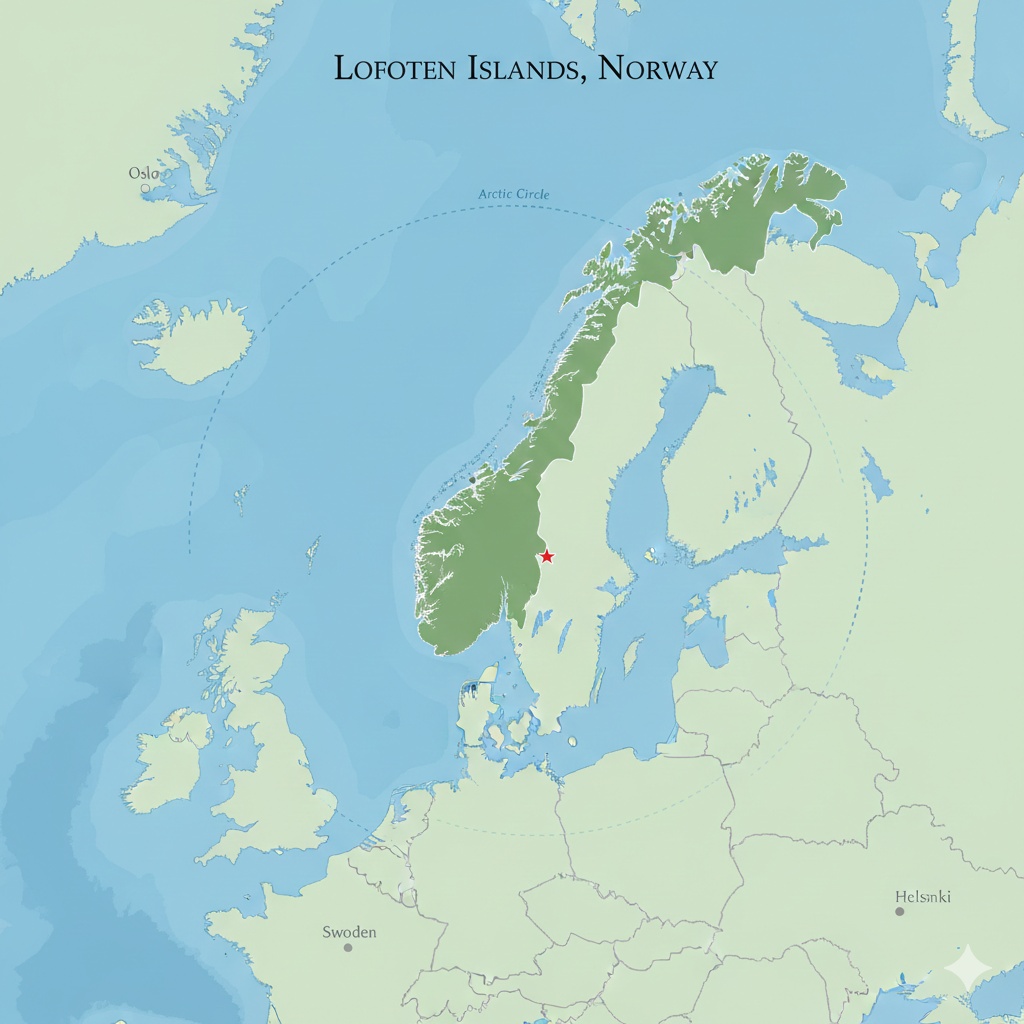
The Lofoten Islands are located above the Arctic Circle in northern Norway, stretching into the Norwegian Sea like a broken spine of mountains and fishing villages.
What makes Lofoten special isn’t just the scenery — though the sharp peaks, fjords, and beaches are unforgettable — but the contrast:
- Arctic latitude with surprisingly mild light
- Remote feeling with accessible roads
- Small villages shaped by centuries of fishing life
Here, nature doesn’t feel curated. It feels present.
Is This Your First Time in Lofoten? What You Should Know Before You Go
If you’ve never been this far north, Lofoten may challenge a few expectations.
Distances look short on the map, but weather, light, and road conditions shape every day. Plans are flexible here — and that’s part of the beauty.
A few things first-time visitors often underestimate:
- How quickly weather changes
- How quiet evenings can be outside peak season
- How important it is to respect nature and local communities
Lofoten rewards patience more than speed.
Best Time to Visit the Lofoten Islands
There is no single “best” time — only the right time for you.
Summer (June–August)
- Midnight sun
- Long hiking days
- Busiest season
Autumn (September–October)
- Fewer visitors
- Dramatic light
- First northern lights
Winter (November–March)
- Polar night
- Snowy landscapes
- Northern lights & winter photography
Spring (April–May)
- Quiet roads
- Returning light
- Snow still on the mountains
Each season reveals a different Lofoten.
How to Get to the Lofoten Islands
Most visitors arrive by:
- Flying to Bodø and taking the ferry
- Flying directly to Svolvær or Leknes
The journey itself is part of the experience — especially the ferry crossing, where mountains slowly rise from the sea.
How Many Days Do You Need in Lofoten?
For a first visit:
- 3–4 days: a taste
- 5–7 days: balanced experience
- 8–10 days: slow travel, hikes, weather flexibility
Lofoten isn’t about ticking places off. It’s about giving space to moments.
Top Highlights You Can’t Miss in the Lofoten Islands
Some places leave a stronger first impression — and for good reason.
Reine
A classic postcard village, surrounded by peaks and water.
Hamnøy
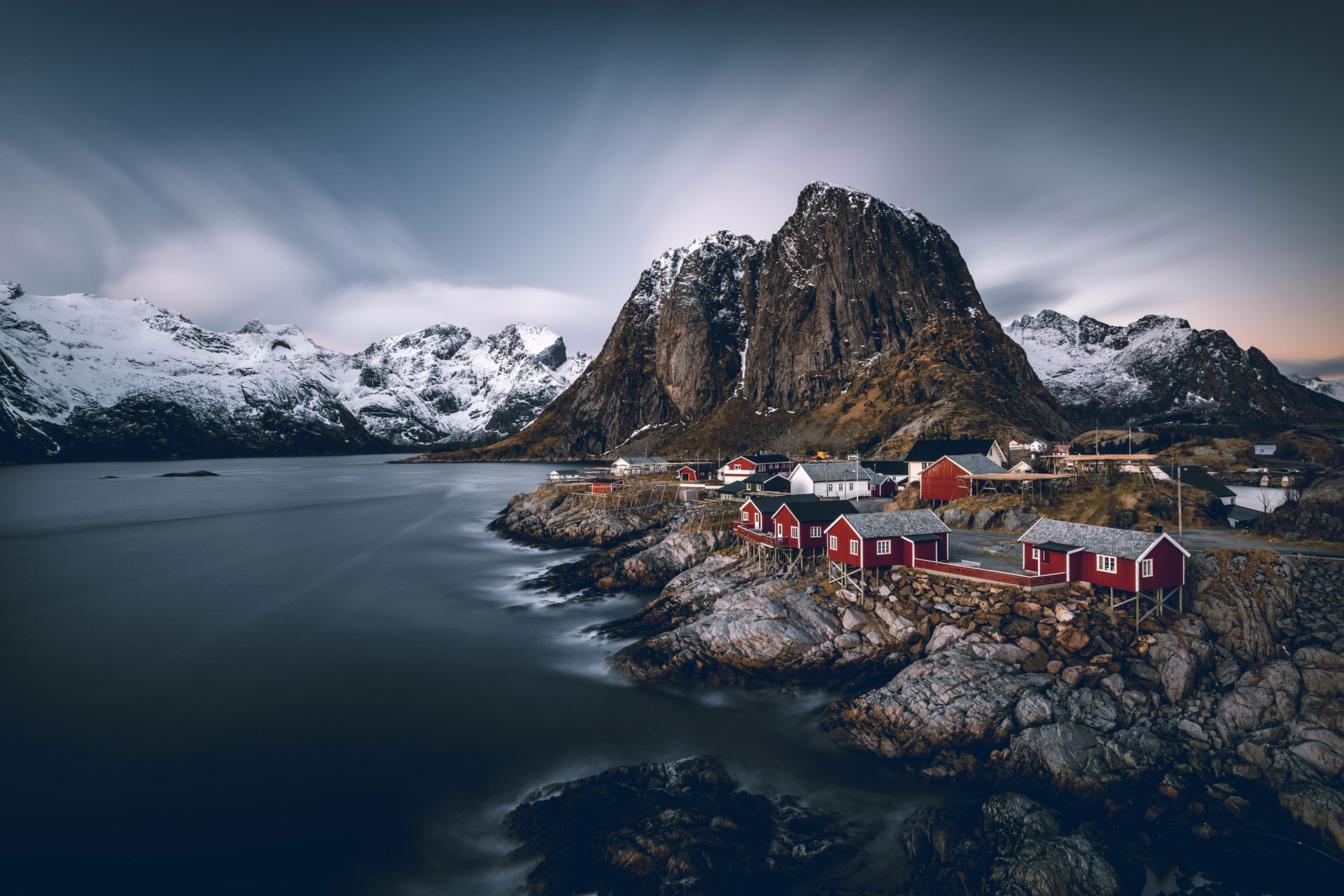
Small, dramatic, often photographed — especially at sunrise.
Nusfjord
A preserved fishing village that tells the story of Lofoten’s past.
Beaches like Haukland Beach and Uttakleiv Beach
White sand, cold water, Arctic light.
Hidden Gems in Lofoten (Away From the Crowds)
Beyond the famous spots, Lofoten offers quieter moments:
- Small roads with no destination
- Beaches you share only with the wind
- Short hikes ending in silence
These places aren’t listed. They’re found by slowing down.
Where to Stay in the Lofoten Islands
Accommodation shapes your experience.
- Rorbuer (fishermen’s cabins): authentic and atmospheric
- Guesthouses: personal, often family-run
- Hotels: limited but comfortable
Location matters more than luxury. Choose fewer bases, stay longer.
Getting Around: How to Travel Within Lofoten
A car gives the most flexibility, especially outside summer.
Public transport exists but is limited. Roads are scenic but narrow, and driving slowly is not optional — it’s the rule.
Local Tips for Visiting Lofoten Responsibly
Lofoten is fragile.
- Camp only where allowed
- Respect private property
- Use public toilets
- Support local businesses
- Leave no trace
Sustainable travel here is not a trend — it’s necessary.
Is Lofoten Worth Visiting? Final Thoughts
Yes — but not if you’re in a hurry.
The Lofoten Islands ask for presence. They reward curiosity, patience, and respect. If you come with those, the experience stays with you long after the journey ends.
This guide is your starting point. The rest of the story, you’ll write yourself.