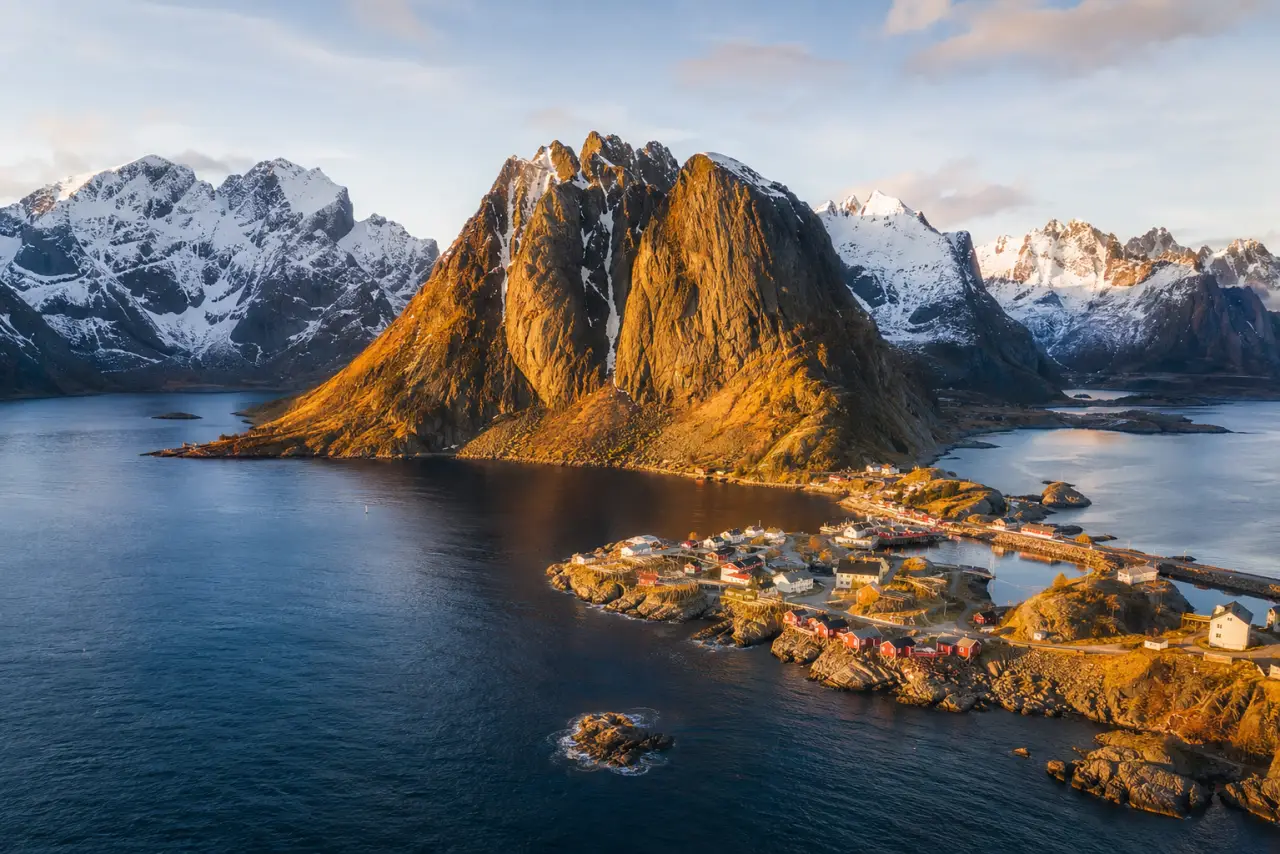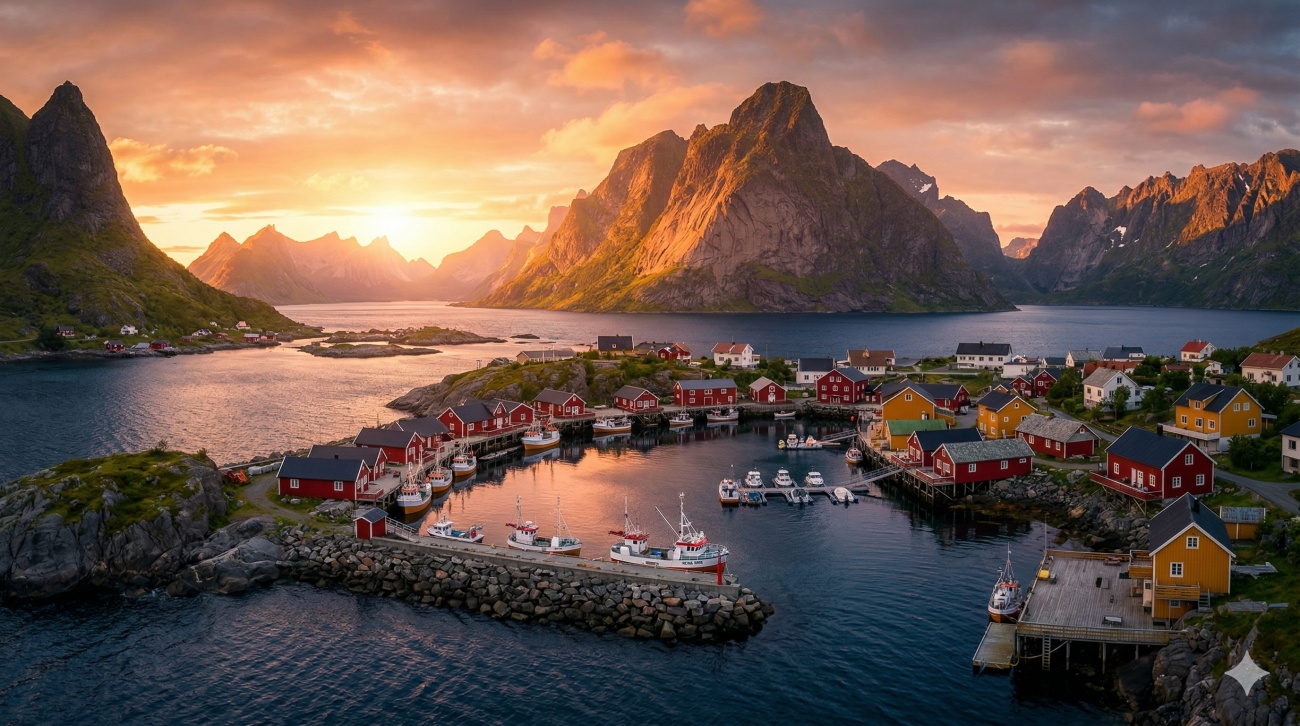
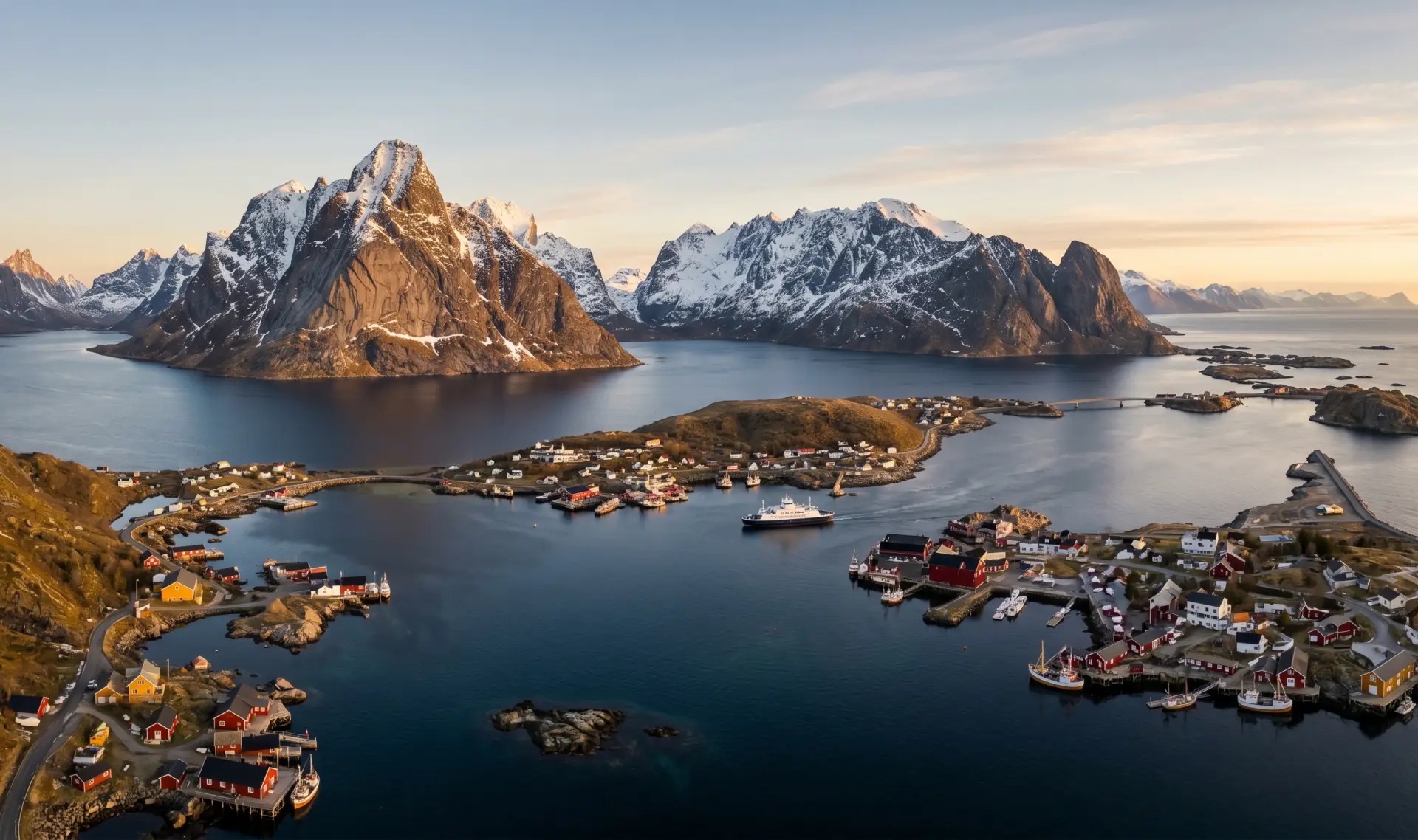
There are places in the world that exist in a category of their own — places that feel less like a destination and more like a discovery. The Lofoten Islands are one of them. Jagged peaks rising straight from the sea, fishing villages painted in red and yellow clinging to the rocks, Arctic light that does things to your eyes you’ll spend weeks trying to describe to people back home. Getting there, though, requires a little planning. The islands sit well above the Arctic Circle, roughly 200 kilometres inside it, tucked off the northwest coast of Norway. Remote? Yes. Worth every hour of travel? Without question.
This guide walks you through every realistic way to reach Lofoten — by air, by sea, and by road — so you can choose the route that fits your pace, budget, and sense of adventure.
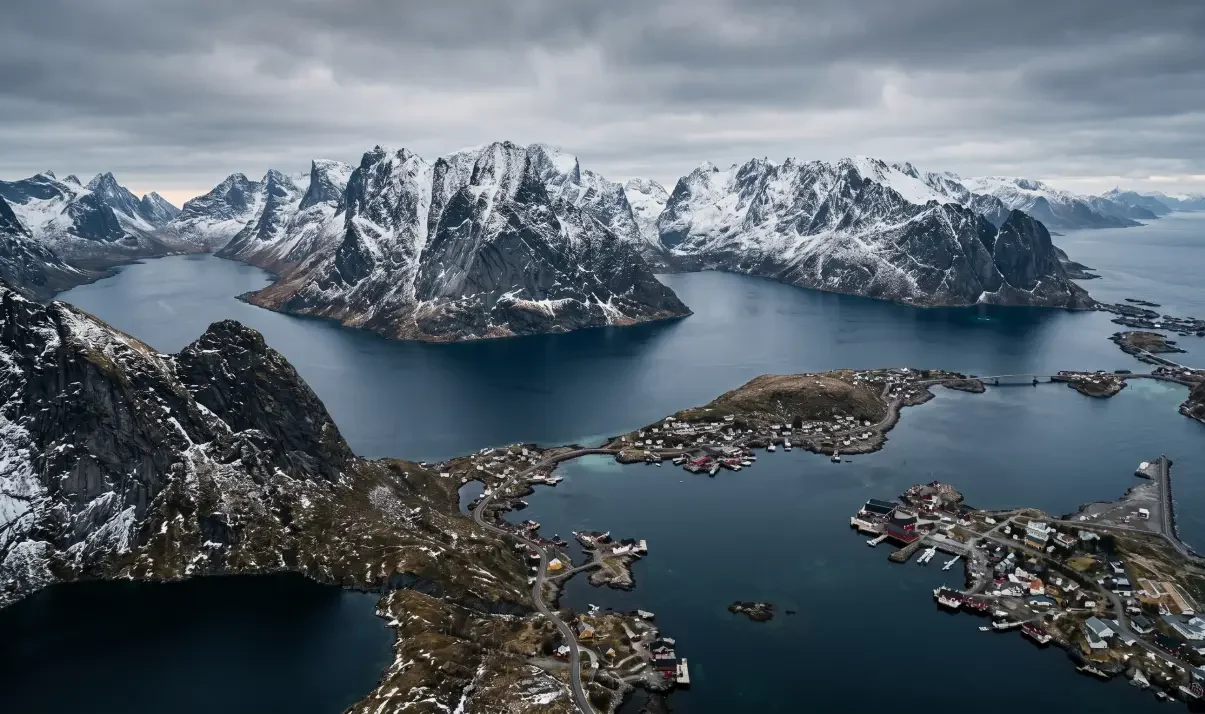
Flights to the Lofoten Islands
Flying is the fastest way to reach Lofoten, and for most international travellers it’s the most practical option. The key is understanding how the system works, because there is no single nonstop flight from, say, London or Paris straight onto the archipelago.
The Two Airports in Lofoten
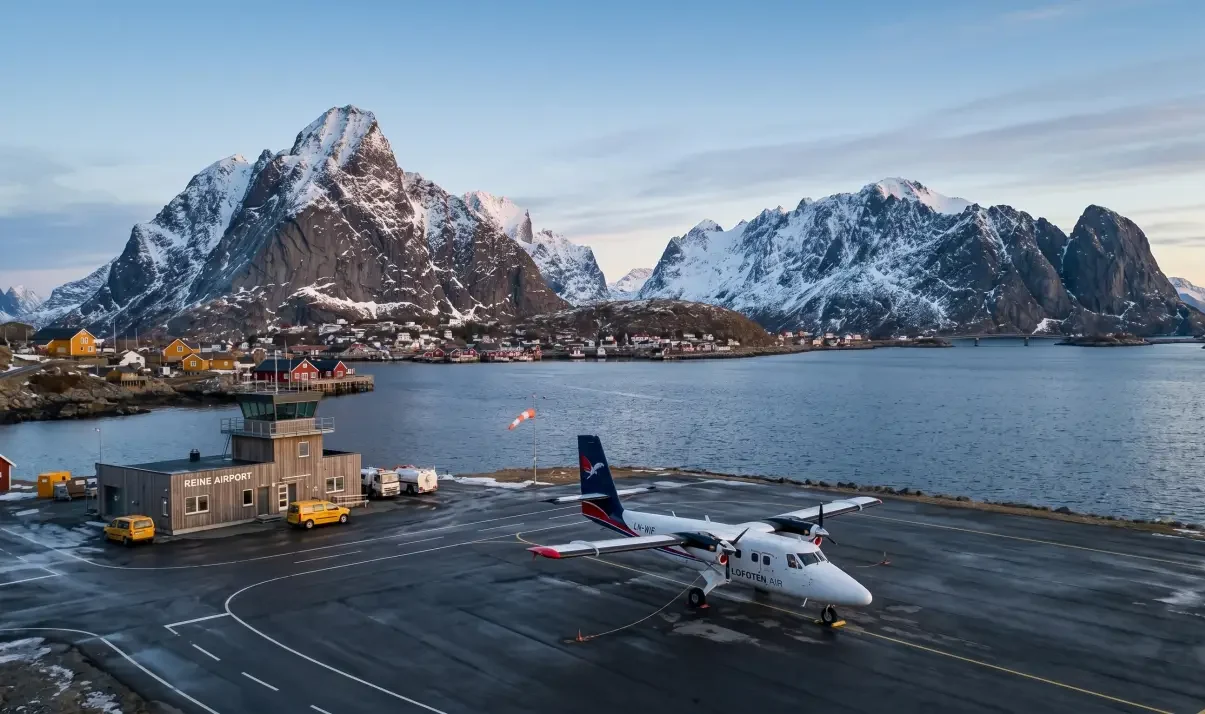
The Lofoten Islands have two small airports: Svolvær Airport (SVJ) in the eastern part of the archipelago, and Leknes Airport (LKN) in the geographical centre. Both are served exclusively by domestic flights operated by Widerøe Airlines, with multiple daily connections to and from Bodø. Svolvær is the better option if you plan to start your trip in the east and work your way west; Leknes puts you right in the middle, roughly an hour’s drive from either end of the islands.
The Typical International Route
If you’re arriving from abroad, your journey will most likely look like this:
The flight from Oslo to Bodø takes around 1.5 hours with Norwegian or SAS, which offer frequent daily departures. From Bodø, the Widerøe hop across the Vestfjord to Lofoten takes no more than 25 minutes. It’s a small propeller plane, seats fill quickly in summer, and booking in advance is strongly recommended.
Flying via Harstad/Narvik Evenes (EVE)
An increasingly popular alternative is flying into Harstad/Narvik Airport Evenes (EVE), a larger regional hub located north of Lofoten. This airport receives direct flights from Oslo, Bergen, and Trondheim, and — as of 2025 — seasonal nonstop services from Frankfurt (Discover Airlines/Lufthansa) and Amsterdam (easyJet, Wednesdays and Sundays in summer). From Evenes, it’s approximately 2.5 hours by car to Svolvær and closer to 5 hours to reach the far western end of the islands near Reine. If you’re planning a road trip anyway, flying into Evenes and driving through gives you a dramatic, scenic entry into the archipelago.
Practical Tips for Flying to Lofoten
- 📅 Book as early as possible, especially for summer travel (June–August). Seats on the smaller Widerøe planes sell out fast.
- 🎒 Baggage allowances on small regional aircraft are limited — pack light or be prepared to check your bag at the gate.
- 🤝 Widerøe works in partnership with SAS, KLM, Air France, and Finnair, so you can often book a single connecting ticket through their websites for international journeys.
- 🌿 Flying in from Bergen? Widerøe operates direct seasonal flights to Lofoten during summer, which can save you the Oslo detour entirely.
Traveling to Lofoten by Ferry
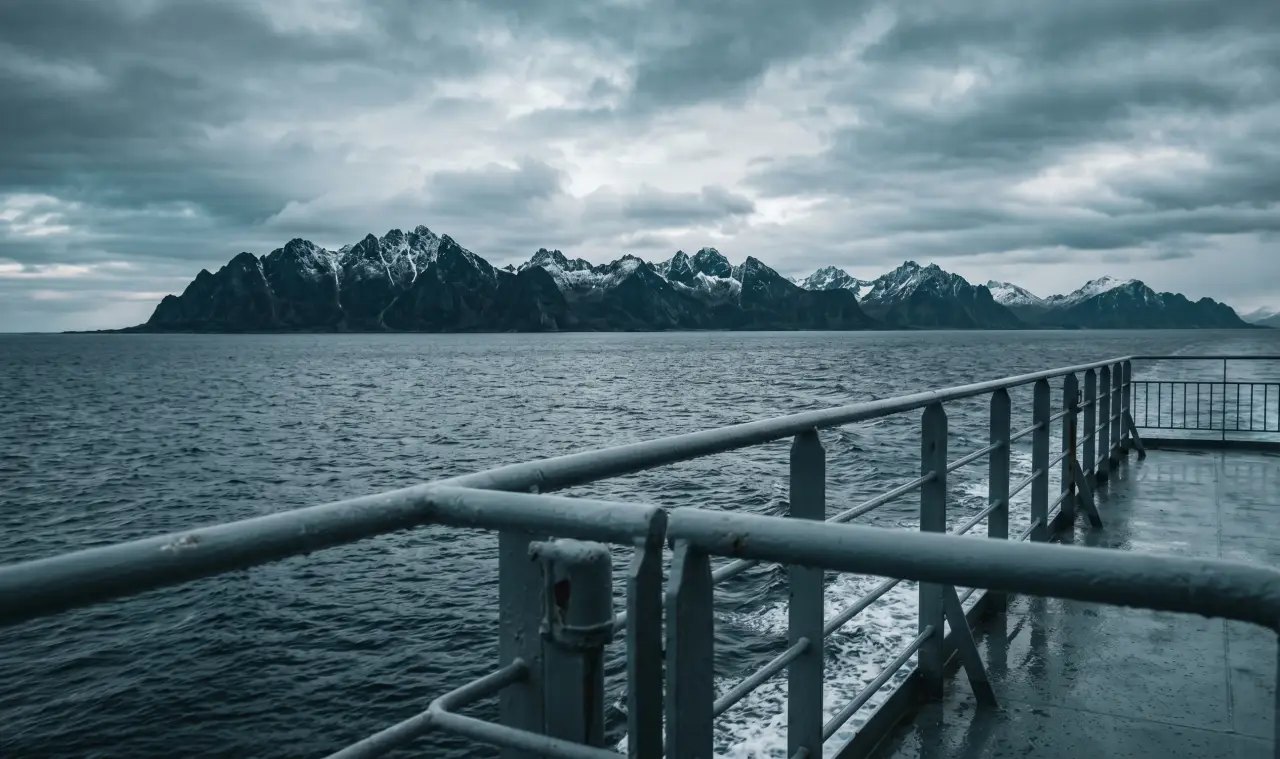
If flying feels too rushed — and for a place like Lofoten, it often does — the ferry is one of the most rewarding ways to arrive. Crossing the open water of the Vestfjord with the jagged silhouette of the islands slowly emerging on the horizon is a genuinely moving experience. It sets the tone for everything that comes after.
The Bodø to Moskenes Ferry
The most popular ferry route runs from Bodø on the mainland to Moskenes in western Lofoten. The crossing takes approximately 3.5 to 4 hours, operates year-round, and is run by Torghatten Nord. In summer, departures are plentiful, but this is also when demand peaks — booking tickets well in advance is essential, especially if you’re bringing a car (which can cost up to 2,200 NOK for a campervan). Foot passengers have more flexibility, but given how remote Lofoten is, arriving without transport means you’ll depend on local buses, which are limited.
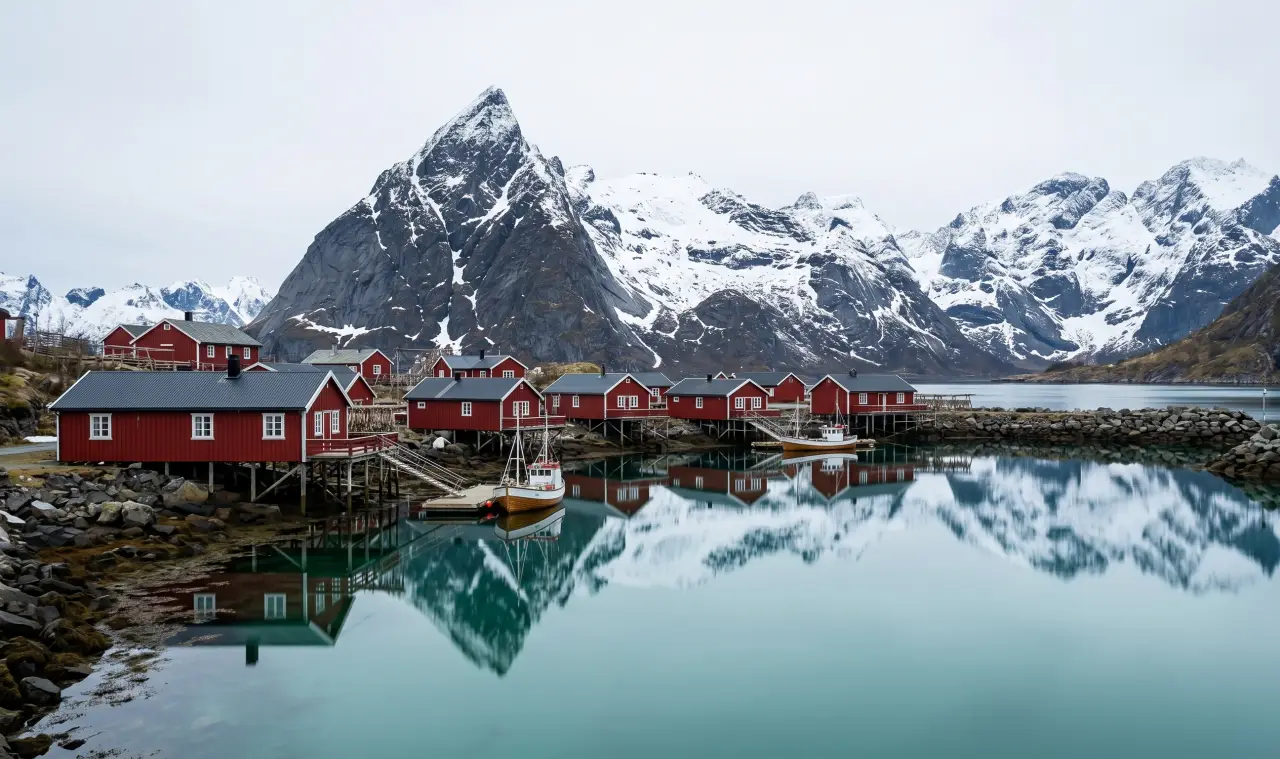
Moskenes sits in one of the most spectacular corners of the archipelago, near the village of Å and the iconic scenery of Reine and Hamnøy. Arriving here by boat and driving east along the E10 is arguably the most cinematic way to experience Lofoten.
The Bodø to Svolvær Express Ferry
For a faster sea crossing, there’s also a high-speed passenger ferry between Bodø and Svolvær that takes around 3.5 hours. This route is foot-passenger only — no cars — making it ideal if you plan to rent a vehicle in Lofoten rather than bringing your own. Widerøe Express Boat and Torghatten Nord operate this route.
The Hurtigruten Coastal Express
For those with more time and a taste for the classic Norwegian experience, the Hurtigruten coastal express is in a class by itself. This legendary service runs the entire length of the Norwegian coast, stopping at Stamsund and Svolvær in Lofoten. It’s not the cheapest option, but it’s an experience you won’t forget — watching the Norwegian coastline unspool from the deck of a ship as you make your way north is as good as travel gets.
Ferry Tips
- 🚗 Always book ferry tickets in advance during summer, particularly for the Bodø–Moskenes route with a vehicle.
- 🌊 The crossing can be rough in winter — the Vestfjord is open water, and the weather in northern Norway is unpredictable. Seasickness medication is worth packing if you’re sensitive.
- 🗺️ Arriving by ferry in Moskenes puts you at the western end of Lofoten. If your accommodation is in Svolvær or Henningsvær in the east, factor in an extra 1.5 to 2 hours of driving.
Driving Routes to Lofoten
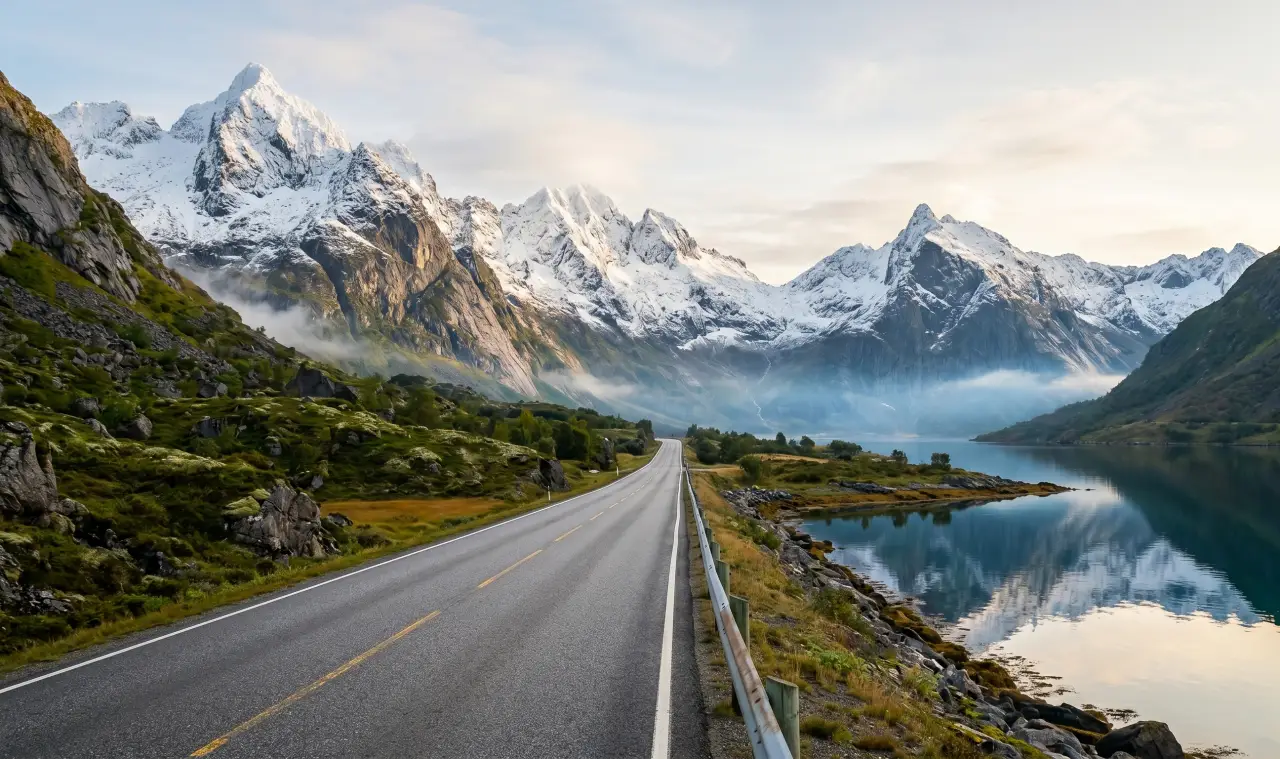
Driving to Lofoten is not just a means of transport — it’s part of the adventure. Norway’s roads through the north are among the most beautiful on the planet, and the E10, which runs the length of the islands from Svolvær to Å, is one of the most celebrated drives in Europe. For road trip lovers, this is the way to go.
Route 1: Through Sweden via Narvik
The most direct overland route from central Europe runs through Sweden. You drive north through Sweden and cross into Norway at Narvik before continuing south and west onto the Lofoten Islands via the E10. The total distance from Oslo is roughly 1,450 kilometres — a serious commitment, typically broken over two days, but one that rewards you with some extraordinary Nordic scenery along the way.
Route 2: Via the Norwegian Coast and Bodø
The alternative is to hug the Norwegian coastline north, combining driving with ferry crossings along the way. From Trondheim, you make your way north to Bodø, where you can load the car onto the ferry to Moskenes. This route takes longer but gives you a genuine sense of the scale and wildness of northern Norway.
The E10: Driving Through Lofoten
Once you’re on the islands, the E10 highway is your main artery. It stretches 129 kilometres from Svolvær in the east to Å in the far west, and it passes through some of the most breathtaking scenery you will ever see from behind a windscreen. Villages, mountain passes, bridges, tunnels, beaches — it’s all there, right beside the road, often with small pullouts that beg you to stop and stare.
The officially designated Norwegian Scenic Route Lofoten follows the E10 and a series of detours to places like Nusfjord, Henningsvær, Eggum, Unstad, and Vikten. Plan for far longer than the two-hour drive time suggests; most people stop constantly.
⚠️ Things to know before you drive
- Fuel up before you go deep: gas stations become sparse past Leknes heading west.
- Norway has strict drink-driving laws — the legal limit is just 0.02%, essentially zero tolerance.
- Phone use while driving carries heavy fines.
- In summer, expect occasional queues and tourist traffic, especially around Reine and Hamnøy.
Getting Around Once You Arrive
Arriving in Lofoten is one thing; moving through it effectively is another. The archipelago is spread across 200 kilometres of islands, and while the scenery is everywhere, the individual villages, beaches, and trailheads are often connected only by road.
Renting a Car
A rental car is the single most recommended way to explore Lofoten. It gives you the freedom to stop wherever you want, reach the more remote spots that buses don’t serve, and adjust your day based on weather and light — both of which change rapidly this far north. Cars can be rented at all four airports serving the region (Svolvær, Leknes, Evenes, and Bodø). Book in advance during summer; availability gets tight.
→ See our full guide to planning a road trip through Lofoten
Local Buses
A limited bus network serves the main towns and villages along the E10. The Lofotekspressen bus connects Svolvær with Leknes and runs daily. For travellers on a tight budget or those who prefer not to drive, it covers the basics — but it won’t get you to more remote spots like Kvalvika Beach or the end of the road at Å without significant walking.
A useful tip: the Travelpass Nordland offers unlimited bus and ferry rides in the region for a fixed price, which can be genuinely good value if you’re combining multiple forms of transport.
Cycling
Lofoten is increasingly popular among cyclists, and for good reason. The islands are part of National Cycle Route 1, which runs the length of the Norwegian coast. Car traffic in peak summer can be intense on the main roads, but alternative routes are marked and a local bike ferry between Nusfjord and Ballstad avoids one of the more challenging tunnels. A bike trip requires proper planning, waterproof gear, and a tolerance for steep climbs — but the rewards are exceptional.
Taxis and Transfers
Taxis operate in Svolvær and Leknes. For groups, a private transfer or minibus can be arranged from local operators — useful for airport pickups or for reaching trailheads without a car. Pre-booking is advised outside the main towns.
When to Go — and How That Affects Your Route
The way you travel to and around Lofoten can be influenced by the time of year you visit, and each season has something distinct to offer.
| Season | Highlight | What to Expect |
|---|---|---|
| ☀️ Summer June–August |
Midnight Sun | Warmest temperatures, most ferry & flight connections, hiking & swimming. Book everything well in advance — it’s peak season. |
| ❄️ Winter Nov–March |
Northern Lights | Lofoten is one of Norway’s best aurora spots. Reduced transport frequency, winter tyres required, some trails closed. |
| 🍂 Spring & Autumn April–May / Sep–Oct |
Dramatic Light | Quieter, lower prices, extraordinary photography light. Hiking opens from May as snow melts at lower elevations. |
→ Read our full guide to the best time to visit Lofoten
Frequently Asked Questions
What is the easiest way to get to the Lofoten Islands?
The easiest way is to fly. Most international travellers route through Oslo Gardermoen (OSL) to Bodø (BOO), then take a short Widerøe flight to Svolvær (SVJ) or Leknes (LKN). The entire journey from Oslo takes around 3–4 hours depending on layover times.
Is there a direct flight to the Lofoten Islands?
There are no direct international flights to the airports in Lofoten itself. Widerøe operates direct seasonal flights from Oslo and Bergen to Leknes and Svolvær during summer. International travellers typically connect through Bodø or Harstad/Narvik Evenes Airport.
How long does the ferry from Bodø to Lofoten take?
The ferry from Bodø to Moskenes (western Lofoten) takes approximately 3.5 to 4 hours. There is also a high-speed passenger ferry from Bodø to Svolvær that takes around 3.5 hours. The Bodø–Moskenes route accepts cars and runs year-round.
Do I need a car to explore Lofoten?
A rental car is strongly recommended to fully explore Lofoten. Public buses serve the main towns along the E10, but many beaches, trailheads, and remote villages are only accessible by car. Cars can be rented at all four airports serving the region.
Can you drive to Lofoten without taking a ferry?
Yes. You can drive to Lofoten without a ferry by routing through northern Norway via Sweden and Narvik, then entering the archipelago on the E10 highway. The route from Oslo is approximately 1,450 km, typically covered in two days.
What is the best time of year to visit Lofoten?
Each season offers something different. Summer (June–August) brings the midnight sun and peak hiking conditions. Winter (November–March) is prime northern lights season. Spring and autumn offer quieter travel with dramatic light and lower prices.
Ready to Plan Your Trip to Lofoten?
Getting here takes a little effort — but the moment the islands come into view, you understand that the journey was never really separate from the experience. It was part of it.